Choosing a board-certified orthodontist is one of the most important decisions you’ll make for your smile. Board certification signals that your orthodontist has gone beyond standard training to prove their skills through peer-reviewed testing. Only about one-third of practicing orthodontists hold this credential, so knowing what it means can help you compare providers with confidence. Here’s what you should know before picking the right specialist for your family and what questions to ask during your first visit.

What Is a Board-Certified Orthodontist?
A board-certified orthodontist is a specialist who has voluntarily completed additional examinations through the American Board of Orthodontics (ABO) to demonstrate skill in diagnosis, care planning, and ongoing support. Founded in 1929, the ABO is the only orthodontic specialty board recognized by the American Dental Association.
Board certification goes beyond the standard orthodontic residency. While every orthodontist completes specialty training, only about one-third choose to pursue ABO certification. The process requires rigorous written and clinical exams reviewed by expert peers.
Those who achieve this status are known as Diplomates of the American Board of Orthodontics. The title reflects a personal commitment to excellence that families can trust. When you choose a board-certified orthodontist, you’re choosing a provider who has proven their expertise through independent review, not just years in practice. That peer-reviewed stamp of approval is something you won’t find with every provider offering braces or aligners today.
How Orthodontists Become Board Certified
Becoming a Diplomate of the ABO takes years of focused study, hands-on training, and peer evaluation. The pathway typically spans 5 to 10 years beyond undergraduate education, and recertification is required every 10 years to maintain the credential.
Here’s how the process works:
- Complete dental school. Earn a Doctor of Dental Medicine (DMD) or Doctor of Dental Surgery (DDS) degree, usually a four-year program.
- Finish an accredited orthodontic residency. This full-time specialty program runs 2 to 3 years and focuses exclusively on tooth movement, jaw development, and facial growth.
- Pass the written examination. This in-depth test covers orthodontic theory, biomechanics, growth and development, and the latest research.
- Pass the clinical examination. Candidates present real case studies to a panel of expert examiners, defending diagnosis, care planning, and outcomes.
- Maintain certification. Diplomates must complete ongoing education and recertify every 10 years to stay current with evolving techniques.
Dr. Mathue Faulkner completed each of these steps to earn his place among board-certified orthodontists serving families. This isn’t a one-time credential. It’s a long-term promise to keep learning and improving throughout a career.

Benefits of Choosing a Board-Certified Orthodontist
When you choose a board-certified orthodontist, you’re choosing verified expertise. Board certification confirms your provider has demonstrated skill in moving teeth and jaws safely, predictably, and beautifully. The benefits extend well beyond paperwork on the wall.
What makes board certification different from standard training?
Every orthodontist has completed residency, but board certification adds an extra layer of peer-reviewed proof. Here’s what you can expect:
- Verified specialization. Board certification proves your orthodontist has mastered the science and art of tooth and jaw movement, not just general dentistry.
- Commitment to excellence. Ongoing recertification means your provider stays current with the newest techniques, materials, and research.
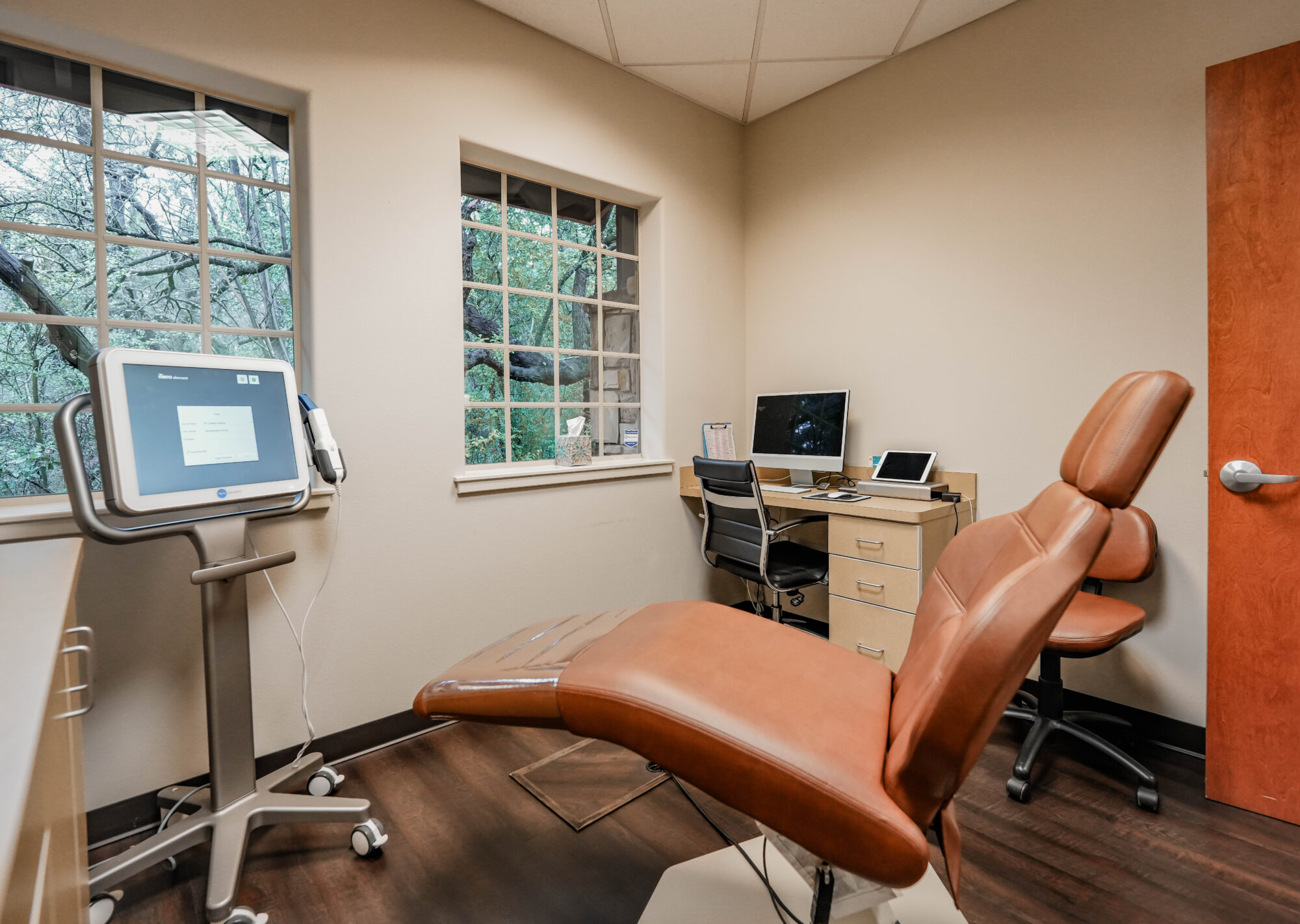
- Access to advanced technology. Board-certified practices often invest in tools like iTero digital scanners, 3D imaging, and modern aligner systems for more accurate planning.
- Peer-reviewed quality. Your orthodontist’s work has been evaluated by other experts in the field, giving you an extra layer of confidence.
How does board certification affect my results?
Ultimately, the real payoff shows up in your smile and daily function. A specialist with verified training looks at the full picture, not just straight-looking teeth:
- Better outcomes. Thorough diagnosis and careful planning lead to smiles that look great and function well for the long haul.
- Complete smile blueprint. You get a thoughtful plan that considers your bite, facial structure, airway, and long-term oral health, not just how your teeth look today.
- Fewer surprises along the way. Careful planning upfront usually means smoother visits and more predictable timelines.
At Rise + Smile Orthodontics, Dr. Faulkner and the team bring this level of care to every visit. You’ll get customized care, modern technology, and a team that genuinely wants to see you smile. That’s what compassionate care, expert smiles really means.
Board-Certified vs. Non-Certified Orthodontist vs. General Dentist
Not every provider offering braces or aligners has the same training. Understanding the differences helps you make a smart choice for your smile.
| Provider Type | Training | Credentials | Best For |
|---|---|---|---|
| Board-Certified Orthodontist | Dental school + orthodontic residency (2 to 3 years) + ABO exams + peer review | DMD/DDS + Diplomate of ABO | All cases, especially complex bites, growth issues, and jaw coordination |
| Non-Certified Orthodontist | Dental school + orthodontic residency (2 to 3 years) | DMD/DDS + specialty certificate | Most routine cases, though no peer-reviewed verification |
| General Dentist (offering braces/aligners) | Dental school + optional continuing education courses | DMD/DDS | Mild cosmetic alignment, often under referral |
| Mail-Order Aligner Services | Remote-only, no in-person exam or X-rays | Varies | Very mild cases only; not recommended for most people |
The right choice depends on your case. A general dentist may handle very mild cosmetic cases, but anything involving your bite, jaw growth, or complex tooth movement is best handled by a specialist. Board certification adds an extra layer of verified skill on top of specialty training.
For families wanting peace of mind, choosing a board-certified orthodontist means you’re working with someone whose expertise has been independently reviewed by peers in the field. That peer validation matters when you’re weighing options for a child, a teen, or your own adult smile.
Who Should See a Board-Certified Orthodontist?
Just about everyone benefits from an evaluation by a board-certified orthodontist, regardless of age. The American Association of Orthodontists (AAO) recommends that kids get their first check-up by age 7, when early issues are easiest to catch. But orthodontic care isn’t just for kids anymore.
Here’s who should consider a visit:
- Kids (age 7 and up). Early evaluation catches bite issues, crowding, and jaw growth concerns while care is simpler.
- Teens. The classic window for braces or Invisalign, once most permanent teeth have come in.
- Adults. There’s no upper age limit. If your gums and bone are healthy, you can get a beautiful smile at any age.
- Complex cases. Impacted teeth, severe overbite or crossbite, and jaw alignment issues all need specialist care.
- Anyone with warning signs. Crowded teeth, overbite, underbite, crossbite, jaw clicking, or difficulty chewing all warrant an evaluation.
Rise + Smile Orthodontics welcomes new smiles at all ages. Whether you’re bringing in your 7-year-old for a first check-up or you’re an adult finally ready for the smile you’ve always wanted, Dr. Faulkner and the team are here for you. New smiles at all ages means exactly that, with customized care built around where you are in life.
Looking for a board-certified orthodontist in Austin? Dr. Faulkner is certified by the American Board of Orthodontics, and your first visit at Rise + Smile Orthodontics is a free consult with no referral needed.

Frequently Asked Questions
Should an orthodontist be board certified?
Yes, board certification is a strong signal of verified excellence. While it’s not required to practice orthodontics, it shows your provider has voluntarily gone through peer-reviewed exams to prove their skills. Choosing a board-certified orthodontist gives you added confidence that your care meets the highest professional standards.
What percentage of orthodontists are board certified?
Only about one-third of practicing orthodontists are board certified by the American Board of Orthodontics. The rest have completed specialty residency but have chosen not to pursue the voluntary certification process. Dr. Mathue Faulkner is proud to be among this smaller group of ABO Diplomates.
How do I verify an orthodontist’s board certification?
You can verify any orthodontist’s ABO status through the American Board of Orthodontics’ online directory at americanboardortho.com. The directory lists all current Diplomates by name and location. It’s a quick, free way to confirm credentials before scheduling a free consult.
Do I need a referral to see a board-certified orthodontist?
No, you don’t need a referral to see Dr. Faulkner. You can book your free consult directly with Rise + Smile Orthodontics anytime. Many families come to us on their own, while others are referred by their general dentist. Either way, we’re happy to welcome you.
How long does orthodontic care typically take?
Most orthodontic care takes between 12 and 24 months, though timelines vary based on case complexity and the appliance used. Mild cases may finish sooner, while complex bite corrections can take longer. During your free consult, Dr. Faulkner will give you a personalized timeline based on your specific smile goals and what you want your finished smile to look like. Ready to get started? Book your free consult with Rise + Smile Orthodontics today and see the difference board-certified care makes.